
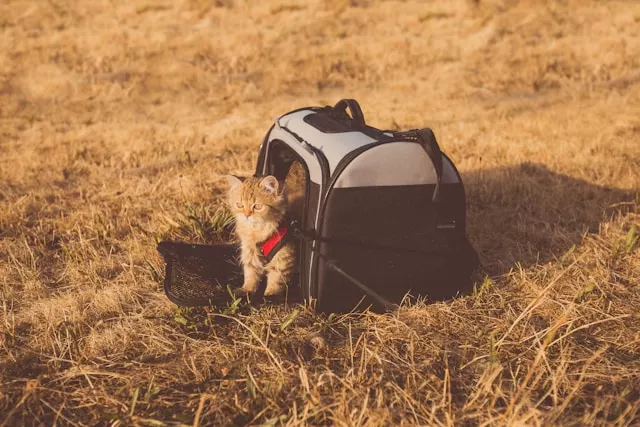
I used to think my cat was perfectly happy staring out the window all day. Every morning, Lily would plant herself on the windowsill — tail flicking, eyes locked on a squirrel, making this weird chattering noise that sounded like a broken printer. She’d sit there for hours.
Then one afternoon, I accidentally left the patio door cracked open.
She didn’t bolt. Didn’t even walk out. She just sat in the doorway, sniffed the air for about thirty seconds, and then looked back at me with this expression I can only describe as “what the hell have you been hiding from me.”
That was the moment I realized: my indoor cat wanted more. She just didn’t know how to ask for it.
If you’re reading this, you’ve probably had a similar moment. Maybe your cat sprints toward the door every time it opens. Maybe they’ve figured out how to work the screen. Or maybe you’re just planning a trip and wondering how the cat fits into the picture.
You’re in the right place. This is the big-picture guide — the one that connects everything. I’ll walk you through the full landscape of cat travel and outdoor adventures, link you to the detailed guides I’ve written, and (hopefully) save you from making the same mistakes I did.
Why Bother Taking Your Cat Outside Anyway?
Let’s address the elephant in the room: plenty of cat owners never take their cats outside. Their cats seem fine. So why go through the trouble?
Here’s the uncomfortable truth I learned after doing the research: indoor cats live longer, but they’re often bored out of their minds.
The American Association of Feline Practitioners (AAFP) and International Society of Feline Medicine (ISFM) have been saying this for years. Their Environmental Needs Guidelines make it clear that cats need sensory stimulation, and the indoor environment alone rarely provides enough of it. A 2019 study published in the Journal of Feline Medicine and Surgery found that indoor cats with access to supervised outdoor time showed significantly lower stress markers — including reduced urine cortisol levels and fewer behavioral problems like inappropriate scratching and aggression.
But let me translate that into real-life terms: my cat stopped knocking things off my desk at 3 AM.
Turns out she wasn’t being a jerk. She was just losing her mind from boredom.
The key distinction here is supervised outdoor time. I’m not talking about opening the door and hoping for the best. I’m talking about harness training, cat-proofed patios, leash walks, and structured outdoor sessions where you’re in control. The detailed guide on why indoor cats need outdoor time covers the behavioral science behind this in depth.
And if you’re worried about the risks — that’s healthy. Outdoor cats face real dangers: traffic, predators, disease, other cats. The good news is that every single one of those risks can be managed with the right preparation and equipment. Which brings us to the next section.
Quotable: “Indoor cats live longer, but cats with supervised outdoor access live better — and the research backs this up.”
Before You Even Open the Door: Training & Preparation
I made the mistake of thinking I could just put a harness on my cat and walk out the door. Fifteen minutes later, I had a cat-shaped pancake flattened against the patio floor, refusing to move.
That’s when I learned the hard way: outdoor adventures require training. Not “sit” and “stay” like a dog — but a specific kind of preparation that works with a cat’s instincts rather than against them.
The process breaks down into three phases:
Phase 1: Gear Up First
Before your cat’s paw touches grass, you need the right equipment. And I don’t mean the cheapest harness from the pet store.
Cats are escape artists. Their bodies are basically liquid. A poorly fitted harness is a catastrophe waiting to happen. When I was researching this, I went through three different harness styles before finding one that Lily couldn’t slip out of within 30 seconds.
The two things you absolutely need:
- A well-fitted harness. Not a collar — never attach a leash to a collar on a cat. Their necks are too fragile. The guide to choosing the best cat harness walks through the H-style vs. vest vs. jacket options and how to measure your cat properly.
- A leash designed for cats. Lightweight, with a bit of elasticity to absorb the sudden lunges that cats are famous for. The cat leash guide covers the differences between retractable, fixed, and bungee leashes.
Phase 2: Indoor Harness Acclimation
This is the part most people skip. They buy the harness, put it on the cat, and watch the cat flop over like a fish out of water. Then they give up.
Here’s what actually works: put the harness on the floor near the cat’s food bowl for a few days. Let them sniff it. Rub it on their bedding. Then put it on for 2-minute sessions indoors, with treats. Gradually build up to 10 minutes. Only when your cat walks normally in the harness indoors should you consider going outside.
Phase 3: The First Outdoor Steps
Pick a quiet time. Early morning or late evening, when there’s less traffic and fewer people. Start in your own backyard or a quiet patio. Let the cat set the pace. Some cats will explore immediately; others will need 20 minutes to stop crouching.
The full step-by-step process is in the outdoor training guide, and the preparing for outdoor adventures guide covers the gear checklist and safety protocols.
Quotable: “The difference between a successful outdoor cat and a terrified one comes down to one thing: how much time you spent acclimating them indoors before their paws ever touched grass.”
The Indoor-Outdoor Balance: You Don’t Have to Pick a Side
Here’s a debate that gets cat owners riled up: should cats be indoor-only or allowed outside?
The reality is messier than either side admits. Strictly indoor cats are safer, but they miss out on the sensory richness that outdoor exploration provides. Free-roaming outdoor cats get stimulation, but they face predation, disease, and traffic risks — and they decimate local bird populations.
The sweet spot — and what the veterinary community increasingly recommends — is something in between. Supervised outdoor time. Enclosed cat patios (catios). Leash walks. Window perches with bird feeders outside. The goal isn’t to choose between indoor and outdoor; it’s to give your cat the best of both worlds while managing the risks.
I wrote a whole article on balancing your cat’s happiness indoors and outdoors that digs into the research from both sides. But here’s the bottom line: you don’t have to pick a side. You just need to be intentional about outdoor access.
Some cats will never want to go outside. That’s fine. Others will stand at the door and scream. The key is reading your individual cat and building a routine that works for both of you.
Travel Gear: The Stuff That Actually Makes a Difference
If there’s one thing I’ve learned from traveling with cats, it’s that gear matters. Not the cute Instagram-worthy stuff — the practical stuff that prevents escape, reduces stress, and makes the whole experience less terrible for everyone involved.
The Carrier Is Everything
Most cat owners own a carrier. Most cat owners also own the wrong carrier.
The typical hard-sided plastic carrier with the top-loading door? It works for vet trips. But for anything longer than 20 minutes, you want something different. Look for:
- Soft-sided carriers with mesh ventilation on multiple sides
- Top and front openings — the more access points, the easier it is to get a stressed cat in and out
- A size that lets your cat stand up and turn around — not too big (they feel insecure) and not too small (they’re cramped)
- Washable padding — because accidents happen
The complete cat carrier guide covers all the options, including airline-approved models if you’re planning to fly.
Car Rides: The Four-Letter Word for Cats
“Car ride” is to cats what “vet” is to dogs. Most cats associate the car with one thing: the vet’s office. And that’s the problem.
The fix is counter-conditioning: short car rides that end somewhere pleasant, not at the vet. Start with 5-minute drives around the block. Reward with treats. Gradually extend the duration. The car ride guide has 10 practical strategies for turning car trips from a nightmare into something your cat can tolerate.
A few things I wish I’d known earlier:
- Cover the carrier with a light blanket during the drive. It reduces visual stimulation and calms most cats.
- Play calming music, not talk radio. Cats respond to certain frequencies.
- Never, ever let your cat roam free in the car. A startled cat under the brake pedal is a real danger.
Quotable: “A stressed cat in a moving vehicle is a safety hazard for everyone. The carrier isn’t a cage — it’s a seatbelt.”
Flying with a Cat: Yes, It’s Possible
I’ll be honest: flying with a cat is not fun. For anyone involved. But sometimes there’s no way around it — you’re moving, taking a long trip, or relocating across the country.
The good news is that cats fly every day. According to the U.S. Department of Transportation, over two million pets fly on U.S. flights annually, and cats make up a significant share. The difference between a smooth flight and a disaster comes down to preparation.
The flying with cats guide covers everything in detail, but here are the non-negotiables:
- Check airline policies before booking. Every airline has different rules about in-cabin pets, carrier dimensions, and fees. Some don’t allow pets at all.
- Get an airline-approved carrier. It needs to fit under the seat in front of you. Most airlines have specific size requirements.
- Visit the vet before flying. You’ll need a health certificate dated within 10 days of travel.
- Skip the sedatives unless your vet explicitly recommends them. At altitude, sedatives can cause respiratory issues.
- Pack a “flight kit”: pee pads, a collapsible water bowl, treats, and a familiar-smelling blanket.
The TSA checkpoint is its own special challenge. You’ll need to take your cat out of the carrier while it goes through the X-ray machine. I recommend a harness and leash for this part — because the last place you want a loose cat is in a busy airport security line.
The Outdoor Experience: What Actually Happens Out There
Once you’ve got the gear and the training, what does outdoor time actually look like?
It depends wildly on your cat’s personality. Some cats are born explorers. Others will spend the first six sessions sitting in one spot, cataloging every smell within a three-foot radius. Both are normal.
My cat Lily falls into the “smell cataloger” category. Our first five outdoor sessions, she didn’t walk more than four feet from the door. She’d find a patch of grass, sniff it for 10 minutes, and then lie down. I thought I was failing somehow.
Then one day, a butterfly landed nearby. She locked onto it like a heat-seeking missile, crouched, and pounced — and missed by about two feet. But she was engaged. That was the turning point.
Outdoor time isn’t about covering distance. It’s about sensory input. New smells. Different textures under their paws. The sound of birds. The feeling of sun on their fur. Even a 15-minute session on a patio can be more enriching than a full day of staring at the same four walls.
Some practical tips from experience:
- Go at the same time each day. Cats thrive on routine, and knowing what to expect reduces anxiety.
- Let the cat lead. If they want to sniff a bush for 20 minutes, let them. This is their time, not yours.
- Watch for stress signals. Flattened ears, tucked tail, excessive panting, or crouching low to the ground — these mean it’s time to go inside.
- Keep sessions short at first. 10-15 minutes is plenty for a beginner.
- Have an exit plan. Know how you’ll get a scared cat back inside quickly if something spooks them.
Quotable: “Outdoor time with a cat isn’t about covering distance — it’s about sensory input. A 15-minute patio session beats a full day of staring at the same four walls.”
Common Mistakes (Most of Which I’ve Made)
I’ve messed up in almost every way possible. Here’s what I wish someone had told me:
Mistake 1: Rushing the process. Harness training takes weeks, not days. The first outdoor session should be preceded by at least two weeks of indoor harness acclimation. Any faster, and you’re setting yourself up for failure.
Mistake 2: Using the wrong gear. A collar-and-leash setup on a cat is dangerous. A harness that’s too loose is an escape waiting to happen. Spend the extra money on quality equipment.
Mistake 3: Forcing interaction. Some cats don’t want to be picked up or petted during outdoor time. They’re in explorer mode. Respect that.
Mistake 4: Giving up after one bad session. Your cat might freak out the first time they go outside. That doesn’t mean they’ll never enjoy it. Back up a step, spend more time on indoor acclimation, and try again.
Mistake 5: Ignoring the weather. Cats overheat faster than you think. If it’s above 85°F (29°C), keep outdoor sessions very short. If the pavement is too hot for your hand, it’s too hot for their paws.
Mistake 6: Not having a backup plan. What if your cat bolts? What if a dog appears? Have a plan. Keep a towel or blanket nearby to wrap a panicked cat (it’s calming and prevents scratches).
Where to Go From Here
If you’ve made it this far, you’re probably serious about giving your cat outdoor experiences — and doing it right. Here’s how to navigate the detailed guides:
| If You’re… | Start Here |
|---|---|
| Brand new to outdoor cats | Outdoor Training for Cats: 7 Expert Tips |
| Preparing for your first outdoor session | Preparing Your Cat for Outdoor Adventures |
| Wondering if outdoor time is worth it | Why Your Indoor Cat Needs Outdoor Time |
| Planning a road trip | How to Make Your Cat Enjoy Car Rides |
| Shopping for a carrier | Choosing the Perfect Cat Carrier Guide |
| Figuring out leashes | A Complete Guide to Cat Leashes |
| Booking a flight with your cat | Flying with Cats: 7 Essential Tips |
| Choosing a harness | How to Choose the Best Cat Harness |
| Torn between indoor and outdoor | Indoor vs Outdoor: Finding the Balance |
FAQ
Q: Can any cat learn to go outside on a leash?
No, and that’s okay. Some cats are simply too anxious for outdoor adventures. If your cat shows consistently high stress signals (hiding, refusal to eat, excessive vocalization) after multiple gentle attempts, it might be better to focus on indoor enrichment instead — window perches, puzzle feeders, and interactive play sessions.
Q: How long does harness training take?
Most cats need 2-4 weeks of consistent daily practice before they’re comfortable walking in a harness outdoors. Some take longer. The key is not rushing: your cat should walk normally indoors in the harness before you even think about going outside.
Q: Is it safe to let my cat outside without a leash?
In an enclosed catio or a cat-proofed yard with escape-proof fencing, yes. In an open environment, no — it’s not. Even well-trained cats can bolt when startled, and the risks (traffic, predators, getting lost) are real.
Q: What’s the best age to start outdoor training?
Younger cats (under 2 years) tend to adapt faster, but older cats can absolutely learn. The temperament matters more than the age. A curious, confident 10-year-old cat will do better than an anxious 6-month-old kitten.
Q: What if my cat is terrified of the carrier?
This is fixable. Leave the carrier out in your living space permanently — not just when you need it. Put treats inside. Feed meals near it. Make it a normal piece of furniture, not a signal that something bad is about to happen. It takes weeks, but it works.
Q: Can I fly with my cat in the cabin?
On most U.S. domestic airlines, yes — within the cabin as carry-on, not in cargo. International flights have stricter rules. Always check the specific airline’s pet policy before booking, and note that in-cabin pets usually count as your carry-on item.
Q: Do cats need vaccines before going outside?
Yes. At minimum, your cat should be up to date on rabies, FVRCP, and flea/tick prevention. Outdoor cats also face higher risk of parasites and should be on a regular deworming schedule. Talk to your vet.
Q: How do I know if my cat is stressed during outdoor time?
Watch for: flattened ears, tail tucked between legs, crouching low to the ground, excessive panting (cats shouldn’t pant like dogs), dilated pupils, and attempts to hide or run. If you see any of these, pick up your cat and go inside immediately.